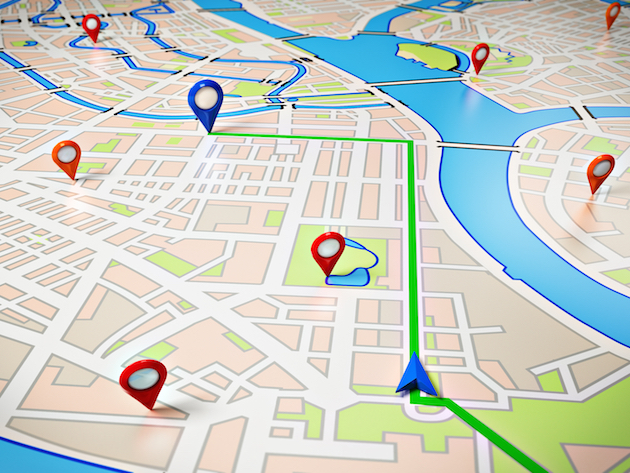
There are lots of tools you can use to help you plan your journey to avoid congestion and get to your destination on time. Always plan your journey before you set off and, if possible, plan alternative routes in case there’s a problem with your original route.
Try to allow some extra time for your journey in case there are delays – especially if you’ve got to be at your destination by a specific time, eg if you’re catching a plane or going to an appointment. Delays can make you frustrated and more likely to take risks to avoid being late, which could lead to an incident.
Using a sat-nav

If you’re using a satellite-navigation system (sat-nav), enter the destination before you start your journey so you’re not distracted by it while driving. A sat-nav can be very useful if you need to change your route but be careful not to rely too heavily on it: if you suspect that the route is wrong, use your common sense rather than following it blindly.
Using a map
Alternatively, use a map to plan your journey. There are route planners available online. Check motoring organisation websites for information about roadworks and areas that might be congested.
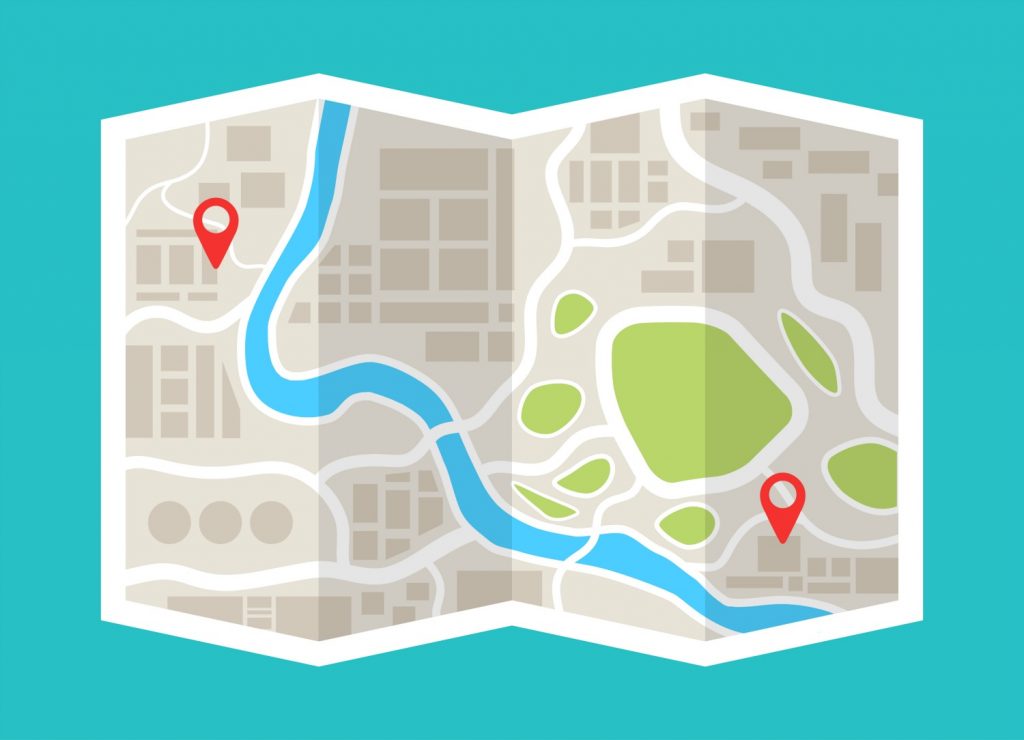
It’s a good idea to keep a map in your car in case you need to change your route or if there’s a problem with your sat-nav.
Spotting problems or risks on your route
When you’re planning your route, look out for areas where there are congestion charges or tolls for using roads or bridges: you may want to change your route to avoid these.
How suitable a particular route is can depend on exactly when you travel. You’ll find very heavy traffic on some roads during rush hour or in the holiday season, so you may want to avoid these routes. If you’re driving a vehicle that’s affected by windy weather, such as if you’re towing a caravan, you might need to change your route to avoid exposed roads when the weather is windy.
Remember to think about your driving skill and experience when you’re planning a route: if you’re not confident about a route, find an alternative route rather than taking risks.
Following your route
When you’ve planned your route, print it out or write it down so you can follow it easily when you’re driving. Try to use place names as well as road numbers in case any of your route isn’t well signposted. If you have a passenger with you, ask them to read your directions to you so you can concentrate on driving.